Dry Eye: Can we Treat it Without Drops?
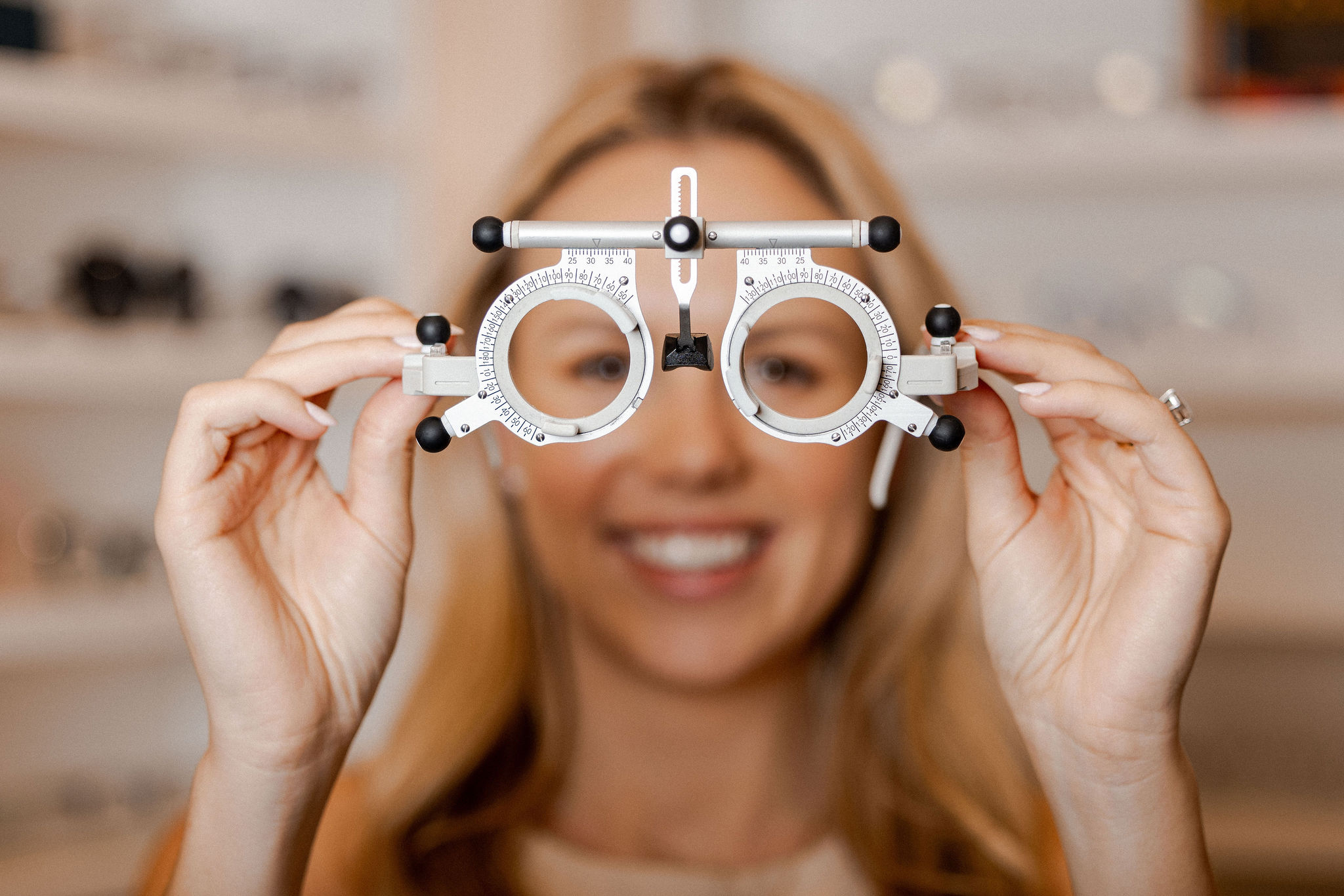
In many cases, yes — we can treat dry eye disease without drops. It is ideal to treat the cause of the disease (i.e. what is missing) rather than just the symptoms (i.e. what you feel).
Using eye drops replaces what is missing from the eye's surface, and some drops may help treat an underlying cause, but drops alone are often not enough.
Dry eye disease can have many causes and several potential solutions. Here at Roses, we are committed to providing personalized options for your dry eye needs.
We can separate treatment into home and in-office treatments (excluding drops for the purpose of this blog).
Home Treatments
Include:
- Heated eye masks – twice a day at 40°C for 10 minutes
- Lid cleansing routine – using an eyelid-specific cleanser
- Omega-3 oils – through diet or supplements (chia, flaxseed, fish oils, Lacritec supplement)
- Lifestyle changes – if you are willing to implement them
- Certain medications – as prescribed
In-Clinic Treatments
- Blephasteam – goggles that warm your eyelids for 10 minutes, ideally followed by gland expression. Effects are slower but this is a more affordable option.
- Demodex/lid cleanser – such as in-office Blephadex treatments.
- IPL (Intense Pulsed Light) – treats the area around the cheeks and orbit. Ideally followed by gland expression. Typically done in 4 sessions; effects take time to notice, and benefit tends to wane over the following months, so maintenance sessions are usual. The randomised evidence is short-term and still uncertain — the trials in a Cochrane review followed patients for only 45 days to nine months — so we plan any maintenance on your measurements rather than a fixed interval (Cote et al., Cochrane Database of Systematic Reviews, 2020).
- LipiFlow – a machine that simultaneously warms and expresses the eyelid glands. In a published trial, a single treatment gave a sustained improvement in gland function and dry eye symptoms at 12 months (Blackie et al., Clinical Ophthalmology, 2016).
The best treatment for dry eye disease is typically a combination of home therapies, lifestyle changes, supplements, and in-office treatments. In our experience we often combine IPL and LipiFlow, and your assessment decides which you need; there are no head-to-head trials comparing that combination against either treatment on its own.
Assessment and treatment are at Rose Optometry, 38 Lake Road, Frankton, Hamilton. Our Dry Eye Clinic page explains how we work out which treatment you need, and you can book a Dry Eye Evaluation online — the appointment is preselected; just choose a time.
References
- Cote S, Zhang AC, Ahmadzai V, et al. Intense pulsed light (IPL) therapy for the treatment of meibomian gland dysfunction. Cochrane Database Syst Rev. 2020;3(3):CD013559. PMID 32182637. doi:10.1002/14651858.CD013559
- Blackie CA, Coleman CA, Holland EJ. The sustained effect (12 months) of a single-dose vectored thermal pulsation procedure for meibomian gland dysfunction and evaporative dry eye. Clin Ophthalmol. 2016;10:1385-1396. PMID 27555745. doi:10.2147/OPTH.S109663
Recent articles
See things the Rose way
Make an appointment at Hamilton’s leading eye care specialists.

