Eating for Better Vision: How Nutrition Supports Eye Health
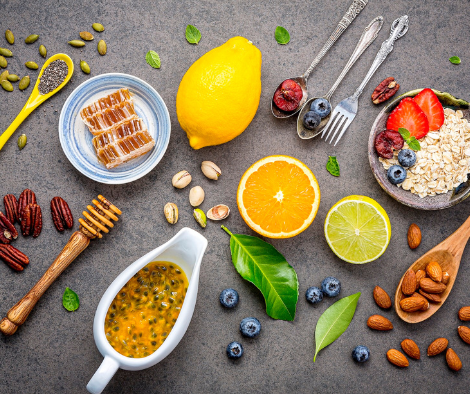
When we think about eye care, most of us focus on regular eye exams and the right glasses or contact lenses. But what you put on your plate also plays a powerful role in how well your eyes function over time. From dry eye symptoms to age-related macular degeneration (AMD), nutrition can influence both eye comfort and long-term visual health.
Your eyes are highly active organs that rely on a steady supply of vitamins, minerals, and healthy fats. A well-balanced diet rich in antioxidants and essential nutrients can help protect your eyes, support retinal health, and slow the progression of age-related eye disease.
Key Foods That Support Eye Health
Leafy Green Vegetables
Dark leafy greens such as spinach, kale, broccoli, and romaine lettuce are rich in lutein and zeaxanthin - two carotenoids that concentrate in the retina. These nutrients help filter harmful blue light and protect retinal cells from oxidative damage. Diets high in leafy greens have been associated with a reduced risk of AMD.
Brightly Coloured Fruits and Vegetables
Foods like carrots, capsicum (bell peppers), citrus fruits, berries, and sweet potatoes provide vitamin C, beta-carotene, and other antioxidants. These nutrients support retinal function, contribute to night vision, and help protect the eye from environmental stressors.
Oily Fish
Fatty fish such as salmon, sardines, mackerel, trout, and tuna are excellent sources of omega-3 fatty acids (DHA and EPA). DHA is a major structural component of the retina, while omega-3s also help reduce inflammation. Regular consumption—about two to three serves per week—has been linked to a lower risk of advanced AMD and improved dry eye symptoms.
Nuts and Seeds
Almonds, walnuts, flaxseed (linseed), chia seeds, and hemp seeds provide vitamin E and omega-3 fatty acids. Vitamin E works alongside vitamin C to protect eye cells from oxidative damage, while omega-3s help maintain healthy tear film and reduce inflammation.
Plant-Based Omega-3 Options
For those who don’t eat fish, omega-3s can still be found in foods such as soybeans, tofu, tempeh, edamame, kidney beans, navy beans, avocados, Brussels sprouts, and seaweed. Some algae-based supplements are also rich in DHA and can be a good alternative for vegetarians and vegans.
Hydration Matters
Adequate water intake is often overlooked in eye health. Dehydration can worsen dry eye symptoms by reducing tear production. Drinking water consistently throughout the day helps maintain eye moisture and overall comfort.
By pairing regular eye examinations with smart nutrition choices, you can support your eye health today and protect your sight for years to come.
Recent articles


See things the Rose way
Make an appointment at Hamilton’s leading eye care specialists.

