UV Protection: What to Consider When Choosing Sunglasses
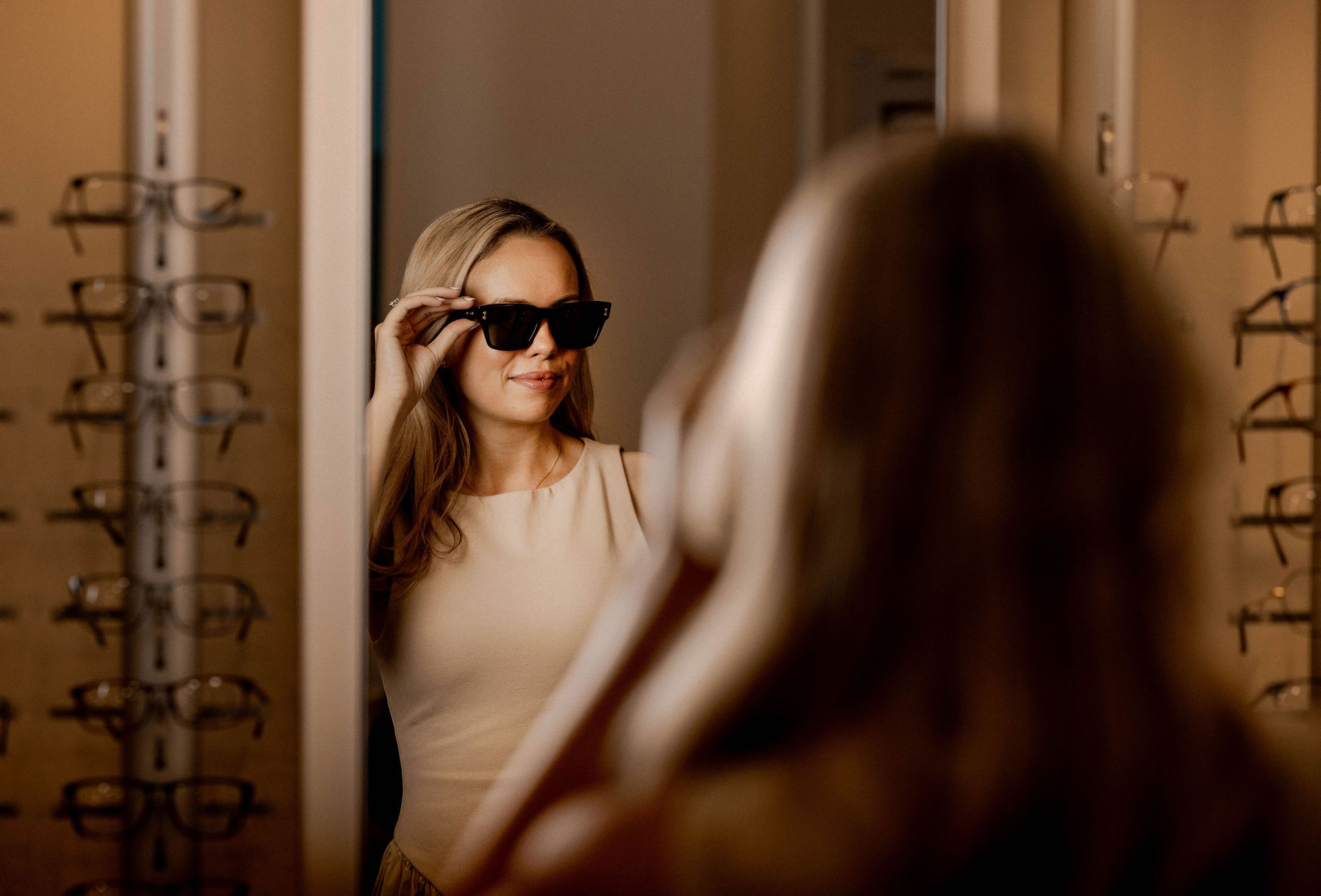
As a Dispensing Optician, one of the most common misconceptions I hear in practice is that darker lenses mean better protection. They do not. UV protection and lens tint are two separate things and mixing them up can do more harm than good.
The first thing I check when fitting sunglasses is the UV rating, not the colour. Look for lenses labelled 100% UVA and UVB protection, or UV400. This is the standard I recommend to every patient, regardless of how dark or light they want their lenses. A pale lens with full UV protection is far better for your eyes than a very dark lens with none, because dark, unprotected lenses trick your pupils into dilating in the low light, letting in more UV rather than less.
Coverage is the next thing I look at. Wraparound frames or larger lenses reduce the UV reaching your eyes from the sides, which I often recommend for patients who drive a lot, spend time outdoors, or live somewhere with high UV exposure.
Polarisation comes up a lot in discussions about sunglasses. While it does a fantastic job of cutting glare from water, roads, and snow, it isn't the same as UV protection. I
always make sure both are included, rather than assuming polarisation covers UV protection too.
Fit matters more than people expect. Frames that sit correctly, without gapping at the brow or cheekbones, do a much better job of shielding the eyes overall.
If you are unsure what your sunglasses are giving you, pop in and ask us to check the lenses properly. It only takes a moment, and it is free of charge.

Recent articles

See things the Rose way
Make an appointment at Hamilton’s leading eye care specialists.

