Glasses and Learning
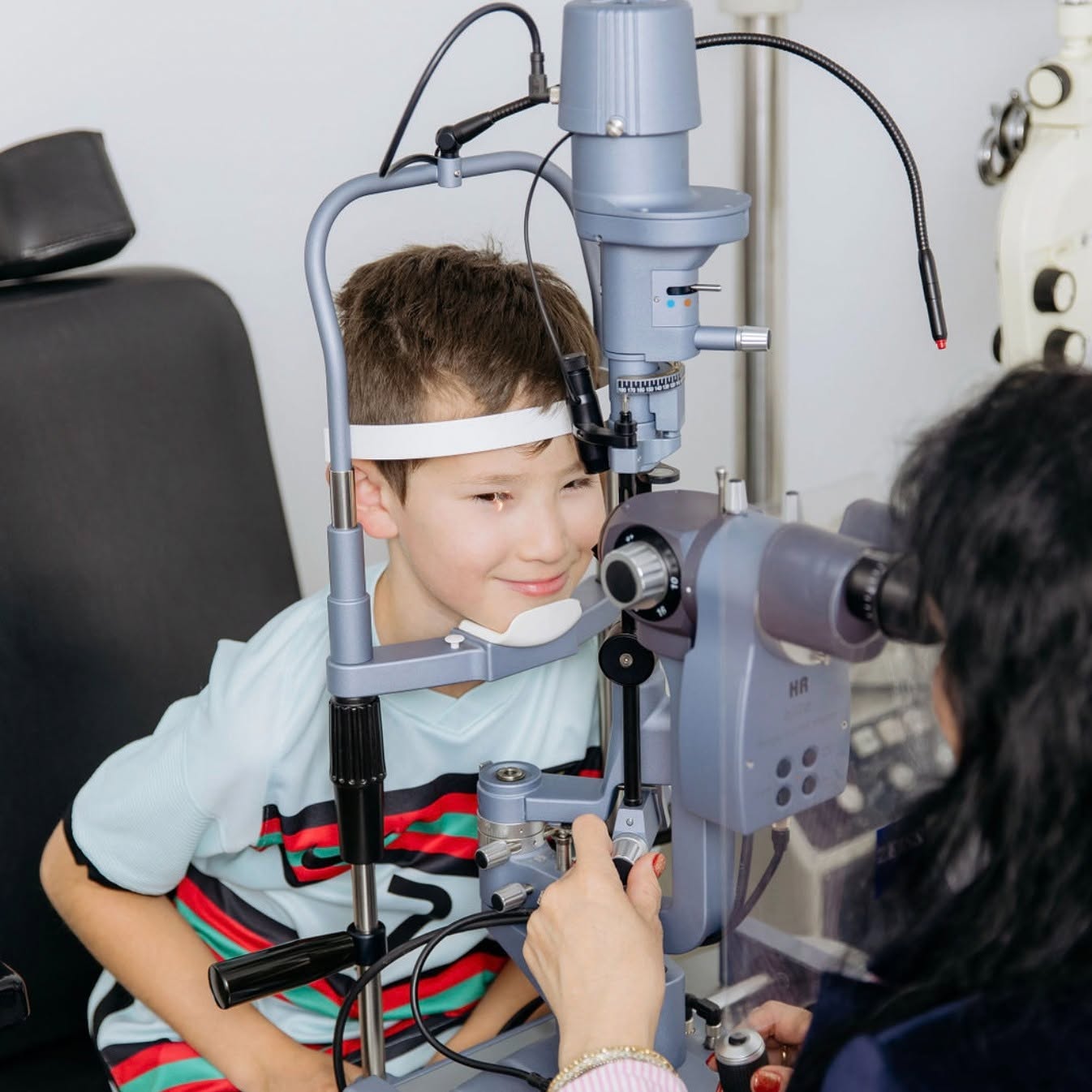
Good vision is essential for successful learning, with approximately 80% of classroom information being presented visually. Clear sight enables children to fully engage with lessons, whether they are reading from the board, using digital devices, or working from textbooks.
Glasses play an important role in supporting a child's education by correcting refractive errors such as myopia (short-sightedness), hyperopia(long-sightedness), and astigmatism. By providing clear and comfortable vision, spectacles can reduce eye strain, improve concentration, and help students achieve their full academic potential.
Improved Focus and Concentration
When vision problems are left uncorrected, children often need to squint, strain, or repeatedly refocus their eyes to see clearly. This extra effort can lead to fatigue, discomfort, and reduced attention in the classroom. Correctly prescribed glasses eliminate this unnecessary strain, allowing students to remain focused and engaged throughout the school day.
Enhanced Academic Performance
Clear vision is closely linked to educational success. Children who can see clearly are better able to read, follow instructions, participate in lessons, and complete schoolwork accurately. Research has shown that providing children with appropriate eyewear can lead to measurable improvements in both reading and mathematics attainment.
Increased Confidence and Participation
Children with uncorrected vision problems may feel frustrated, self-conscious, or reluctant to participate in classroom activities. By improving visual clarity, glasses can help build confidence, encourage active participation, and enable students to interact more comfortably with their teachers and peers.
Recognising the Signs of Vision Difficulties
Some children may not realise that their vision is not normal and therefore may not complain of poor eyesight. Signs that a child may be experiencing vision difficulties include:
· Frequent eye rubbing
· Headaches or tired eyes
· Squinting when looking at distant objects
· Holding books or devices very close
· Losing their place when reading
· Difficulty concentrating on schoolwork
· Reduced interest in reading or near tasks
If any of these signs are present, a comprehensive eye examination is recommended to assess visual function and determine whether corrective eyewear is required.
By ensuring children have clear and comfortable vision, glasses can make a significant difference to their learning experience, academic achievement, and overall wellbeing.
Helena Barrio
Dispensing Optician

Recent articles
See things the Rose way
Make an appointment at Hamilton’s leading eye care specialists.

